And how to fix it without starting over
If you’ve ever hit gauge in your swatch and then wondered why your finished project doesn’t match… you’re not alone.
Gauge changing mid-project is one of the most common issues knitters run into, and it happens to beginners and experienced makers alike.
The good news? It’s normal. It’s fixable. And in many cases, it does not require ripping everything out.
First: Why Gauge Changes at All
Most knitters assume gauge is static. It isn’t.
Gauge changes because knitting is physical, not theoretical. Your hands, posture, environment, and familiarity with a project all affect stitch size.
Common reasons gauge shifts mid-project:
- You relax as you get comfortable with the pattern
- Your hands tighten during new or complex sections
- You knit differently at different times of day
- Your posture changes (couch vs table vs travel knitting)
- The fabric grows under its own weight
None of these mean you did something wrong. They mean you’re human.
The Most Important Thing to Know
Gauge problems are usually gradual, not catastrophic.
That’s why checking gauge periodically, not just at the beginning, matters so much.
And it’s also why you often have more options than you think.
How to Check Gauge Mid-Project (Without Panic)
You don’t need to stop knitting entirely to check gauge.
What we recommend:
- Measure your fabric after a few inches
- Compare stitch count to the pattern gauge
- Pay attention to trends, not perfection
If you’re off by:
¼ stitch → keep an eye on it
½ stitch or more → it’s time to adjust
This is where the right tools and yarn choice make a real difference.
The Smart Fix: Changing Needle Size Without Ripping Out
Here’s something many knitters don’t realize: You do not have to rip back your entire project if your gauge is off.
A proven technique:
- Switch to the new needle size
- Knit every other row with the new size for ~1 inch
- Then transition fully to the new needle size
This creates a gentle, nearly invisible adjustment in fabric density.
This works especially well in:
- Stockinette garments
- Sweaters knit in the round
- Simple textures
And it’s far less disruptive than starting over.
Why Interchangeable Needle Sets Matter
Gauge adjustment is much easier when:
- You have every needle size available
- You’re not locked into one fixed needle
This is why interchangeable needle sets are such an important learning tool. They allow you to:
- Respond to gauge changes immediately
- Experiment without committing to a full restart
- Fine-tune fabric as you go
Gauge flexibility reduces frustration, and keeps projects moving forward.
Yarn Matters More Than You Think
Not all yarns respond to gauge changes the same way. Some recover beautifully. Others exaggerate inconsistencies.
Here’s what to look for when gauge flexibility matters:
Forgiving Yarn Characteristics
- Elastic fibers
- Balanced ply structure
- Minimal halo
- Even twist
Yarns That Handle Gauge Adjustments Well
Berroco
- Vintage and Ultra Wool — elastic, stable, predictable
- Lanas Light — responsive fabric, excellent recovery
- Vintage Sock — durable and consistent
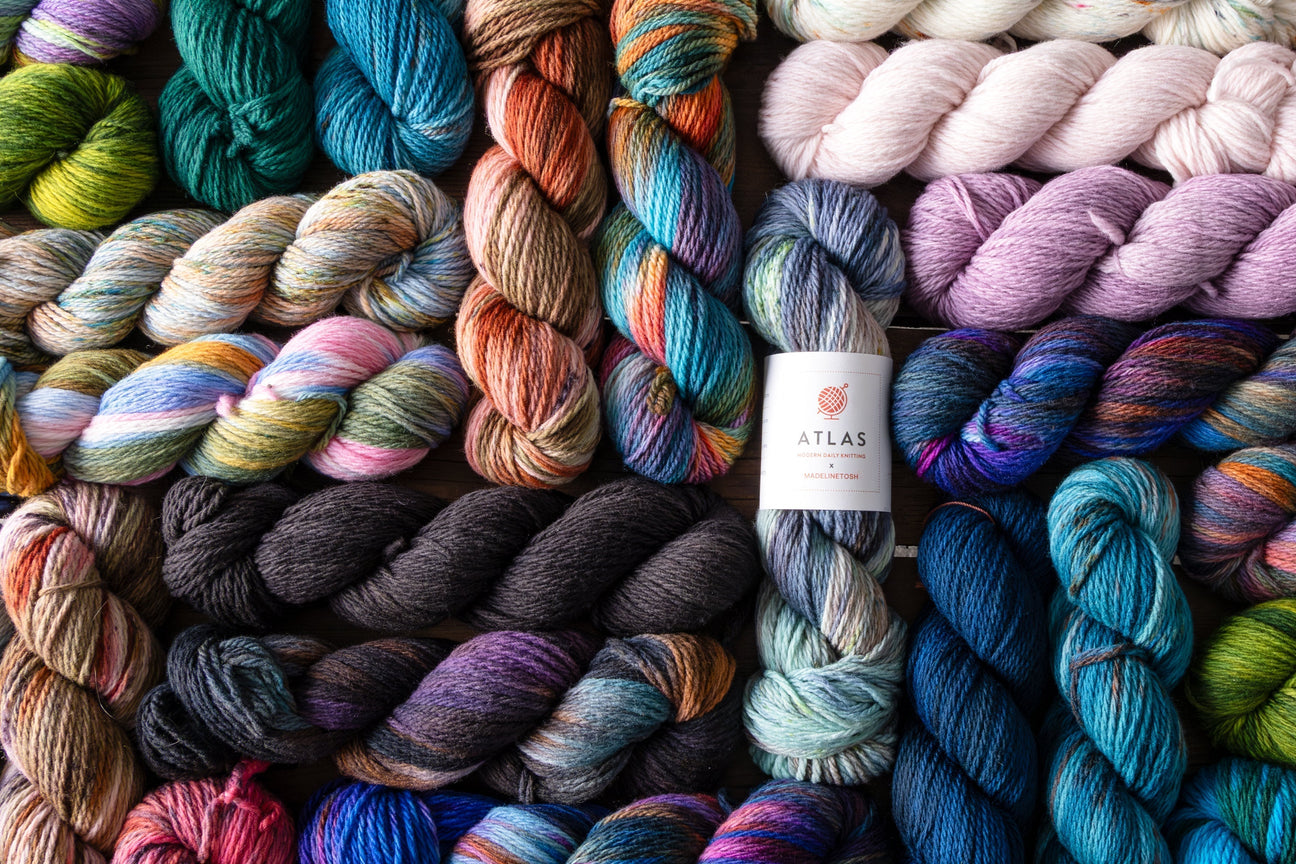
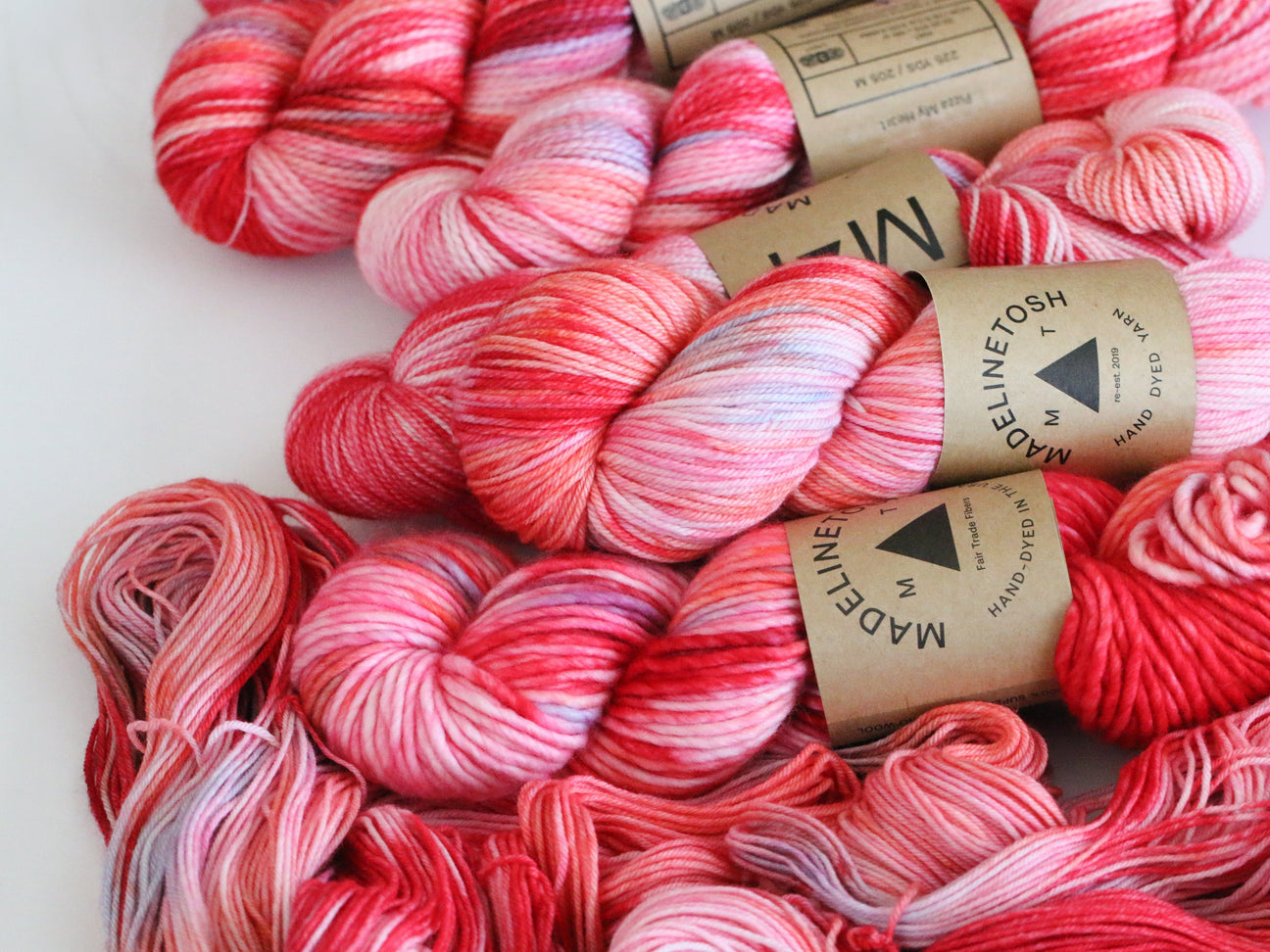
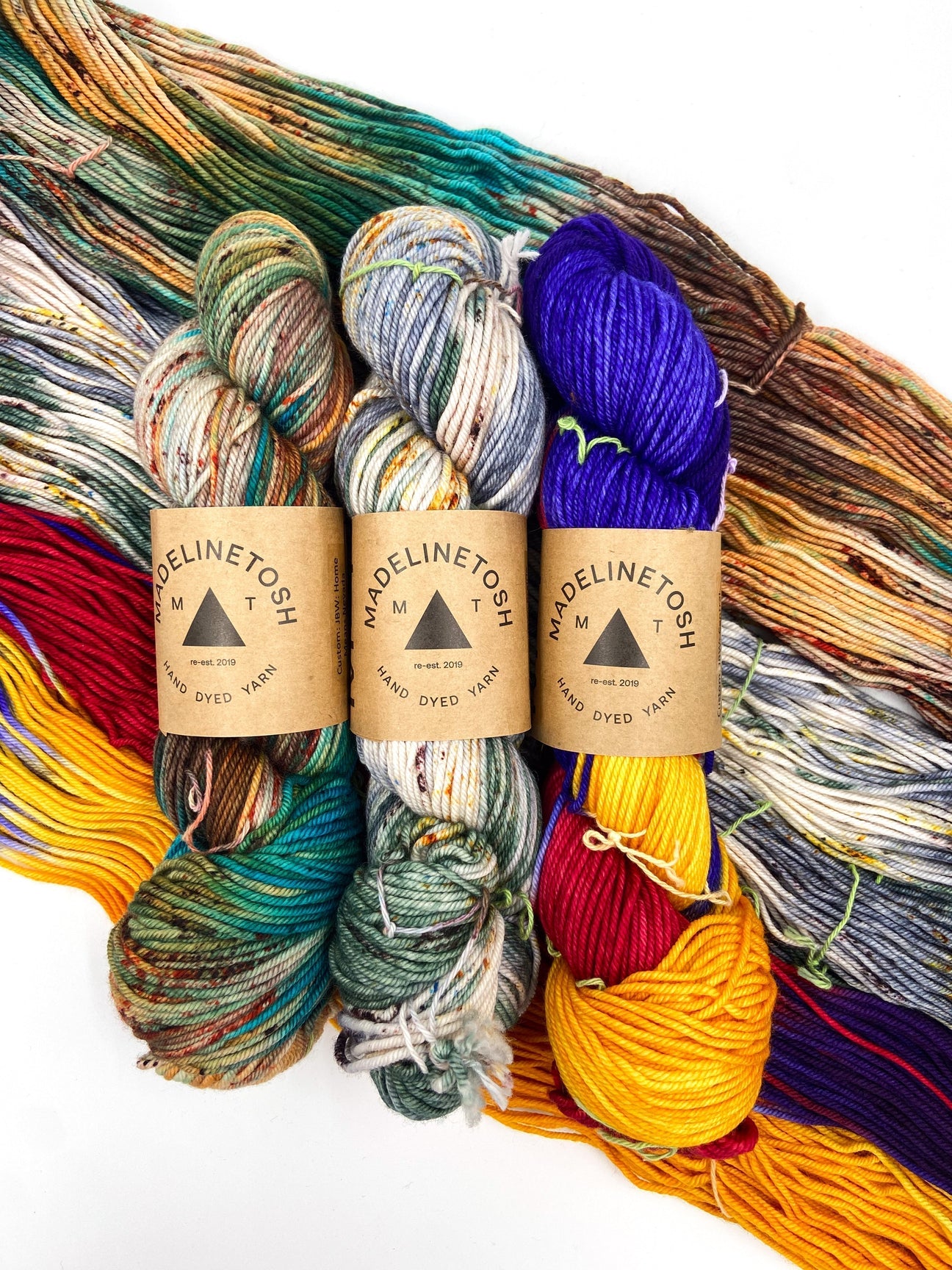
Madelinetosh
- Tosh DK — clear stitch definition, elastic base
- Twist Light — strong structure, excellent for garments
- Tosh Merino Light — forgiving for subtle adjustments
These yarns don’t punish you for adapting. They support it.
When You Should Rip Back
Not every gauge issue can be smoothed over.
You should consider ripping back if:
- The fabric is dramatically too dense or too loose
- The fit will be structurally compromised
- The yarn has little elasticity and won’t recover
Knowing when to fix, and when to restart, is part of building skill.
Gauge Isn’t About Perfection
It’s About Control. Experienced knitters aren’t people who never miss gauge.
They’re people who:
- notice when it changes
- know how to respond
- choose materials that give them options
That’s the real skill.
Gauge awareness keeps you engaged with your project, and keeps small problems from becoming big ones. And that’s how you keep knitting instead of quitting.
Related tools & resources
- Interchangeable needle sets
- Gauge rulers and measuring tools
- Forgiving, elastic yarns (Berroco & Madelinetosh)
- Blog Post: The Projects That Are Keeping Me Present Right Now