Five techniques, smart yarn choices, and why they matter
Learning a new knitting skill is hard enough. Your yarn shouldn’t make it harder.
One of the biggest reasons knitters stall out on new techniques (like cables, lace, socks, colorwork, even first garments) isn’t the pattern. It’s the yarn choice.
Some yarns punish mistakes. Others quietly invite you to learn. This post is about choosing yarn that wants you to succeed.
What Makes Yarn Good for Learning?
When you’re learning, you’re going to:
- Rip back
- Re-knit sections
- Try things twice (or three times)
- Make decisions mid-project
Good learning yarn has a few key traits:
- Clear stitch definition so you can see what’s happening
- Forgiveness when tension isn’t perfect yet
- Durability through ripping and reworking
- A price point that gives you permission to experiment
That last one matters more than we admit. If you’re afraid of the yarn, you won’t learn as much.
Learning Cables: Let the Structure Show
Cables are about structure. If your yarn has a halo or too much fuzz, you end up fighting the fiber instead of learning the technique.
What to look for:
- Smooth plies
- No halo
- Elastic, round structure
- Light to medium colors
Great yarns for learning cables:
- Yarn Citizen Unity Worsted – no halo, excellent stitch definition, very forgiving
- Lana Grossa Cool Wool – smooth, elastic, and incredibly reliable
- Berroco Vintage – a classic for a reason
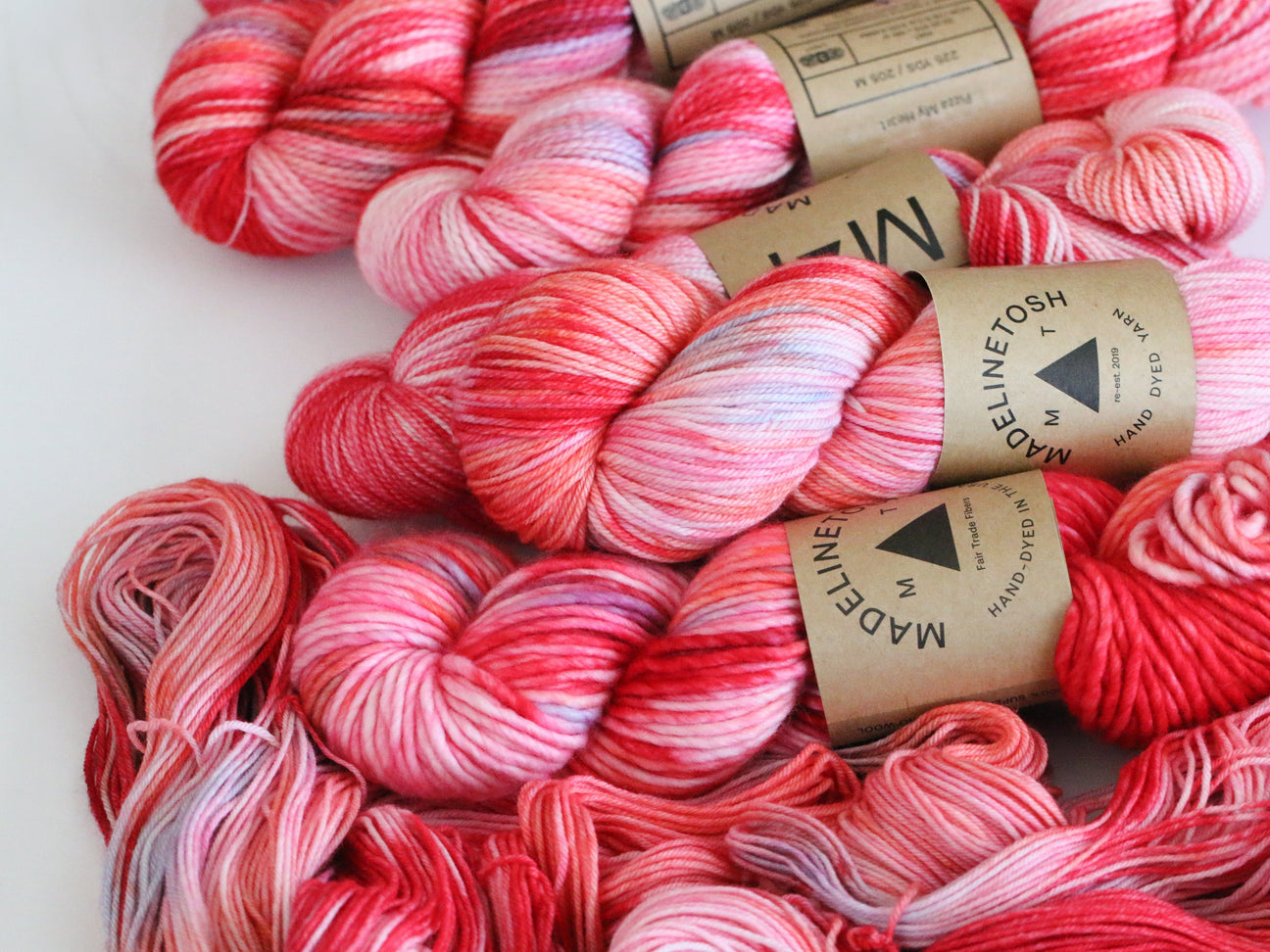
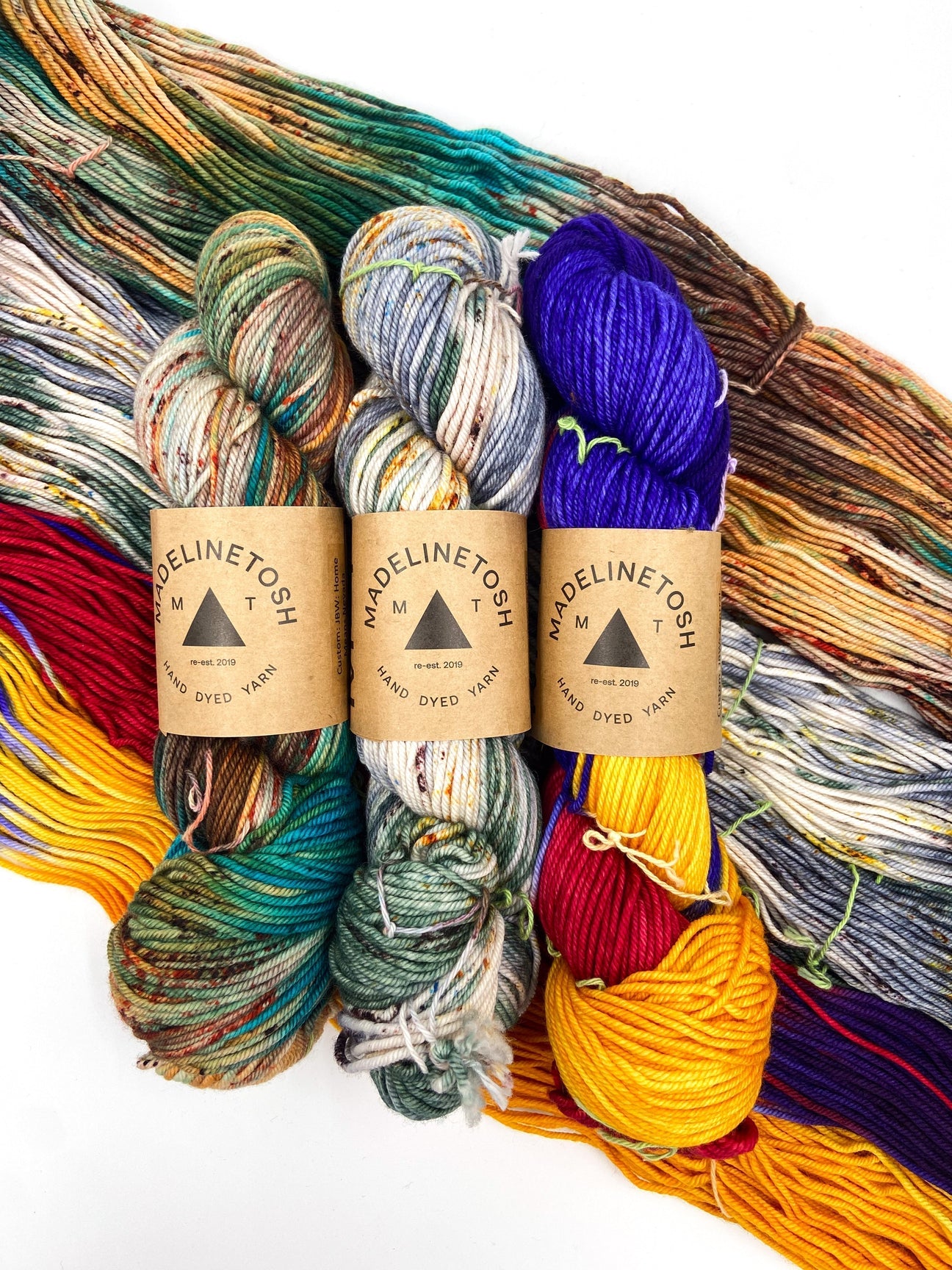
- Madelinetosh Tosh DK or Tosh Vintage (solids or light tonals)
Best cable projects to start with:
- Cable headbands
- One-cable hats
- Simple cable cowls
Cables teach you how fabric behaves. The right yarn makes that lesson obvious instead of frustrating.
Learning Lace: Trust the Process (and the Block)
Lace almost never looks good on the needles. That’s part of the lesson.
When learning lace, you want yarn that:
- Shows the pattern clearly
- Survives being ripped back
- Opens up beautifully when blocked
Important note: Lace does not have to be fingering weight. Thicker yarns can make lace easier to see and easier to learn.
Great yarns for learning lace:
- Madelinetosh Tosh Merino Light – clear stitches, blocks beautifully
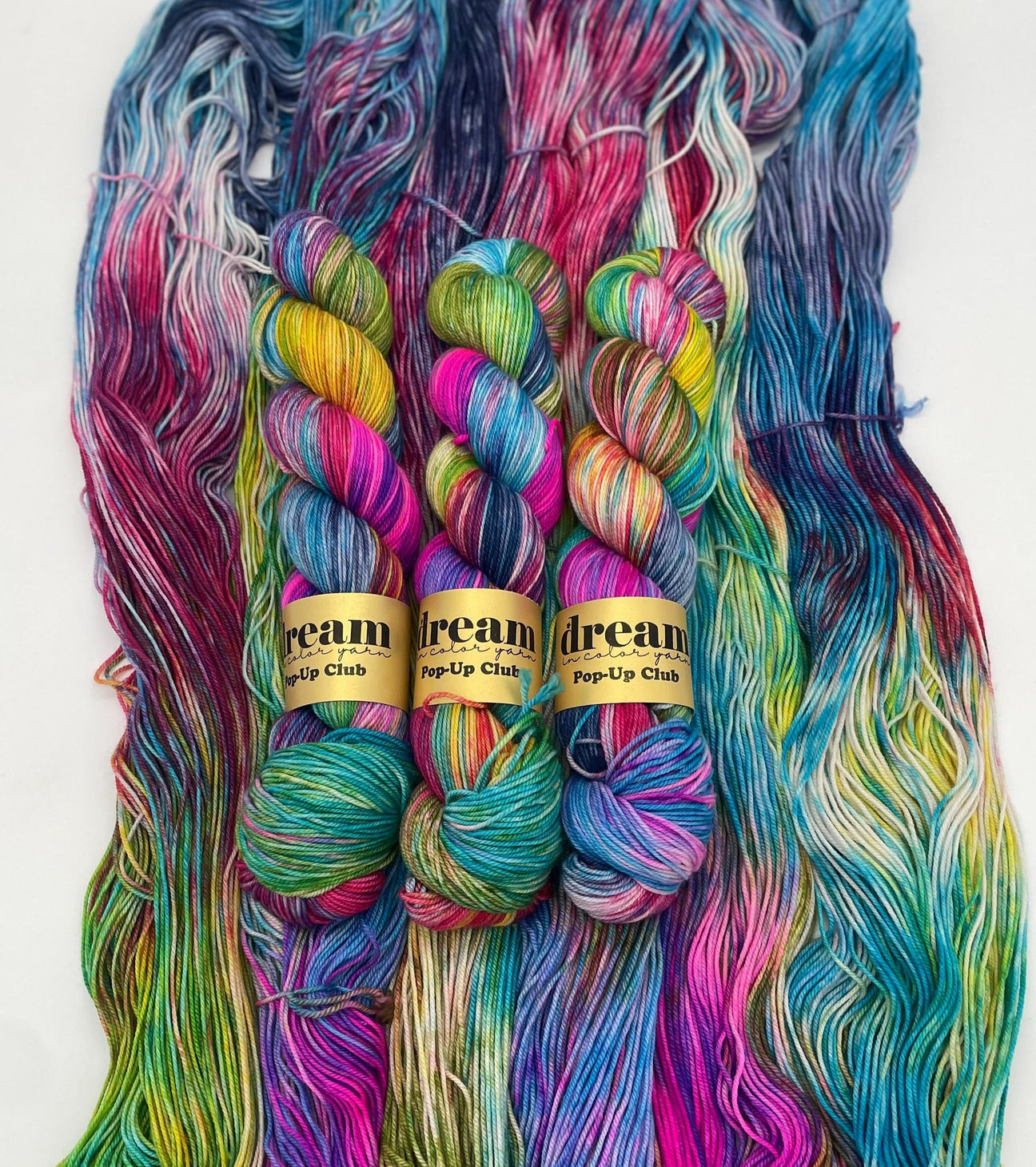
- Dream in Color Smooshy (solid or lightly tonal) – forgiving and joyful
- Jamieson’s Spindrift – incredible definition
- Scheepjes Whirlette – solid colors that let lace shine
Skip heavy color changes here. Solids help you see what you’re doing, and why it works.
Learning Socks: Repetition Builds Confidence
Socks are one of the best skill-building projects you can knit.
They teach:
- Small-circumference knitting
- Shaping
- Tension control
- Durability
They also need yarn that can take a beating.
Great sock yarns for learning:
- Lana Grossa Meilenweit – affordable, durable, and confidence-building
- Berroco Vintage Sock – a great budget-friendly option
- Madelinetosh Twist Light – strong, smooth, and resilient
- Dream in Color Smooshy – forgiving and fun
Socks are short, repeatable projects. Each pair is better than the last, and the right yarn makes you want to knit another.
Learning Colorwork: Let Color Do the Work
Colorwork doesn’t have to mean complex stranded knitting. When you’re learning, the fun is in choosing color, and having lots of options.
What to look for:
- A wide color range
- Consistent base
- Yarns that play well together
Great yarns for learning colorwork:
- Berroco Lanas Light – soft, balanced, and versatile
- Jamieson’s Spindrift – over 225 colors (this is where the fun is)
- Madelinetosh bases with high-contrast pairings
- Yarn Citizen bases for clean, modern colorwork
Stripes, slip-stitch patterns, and simple yokes are perfect places to start. You don’t need complexity to learn tension and color control.
First Garments: Finish Faster, Learn More
Garments are where many knitters get stuck, not because they’re hard, but because they take time.
When learning garment construction, speed matters.
Tip: Choose worsted or heavy worsted yarn so you can finish, learn, and move on without losing patience.
Great yarns for first garments:
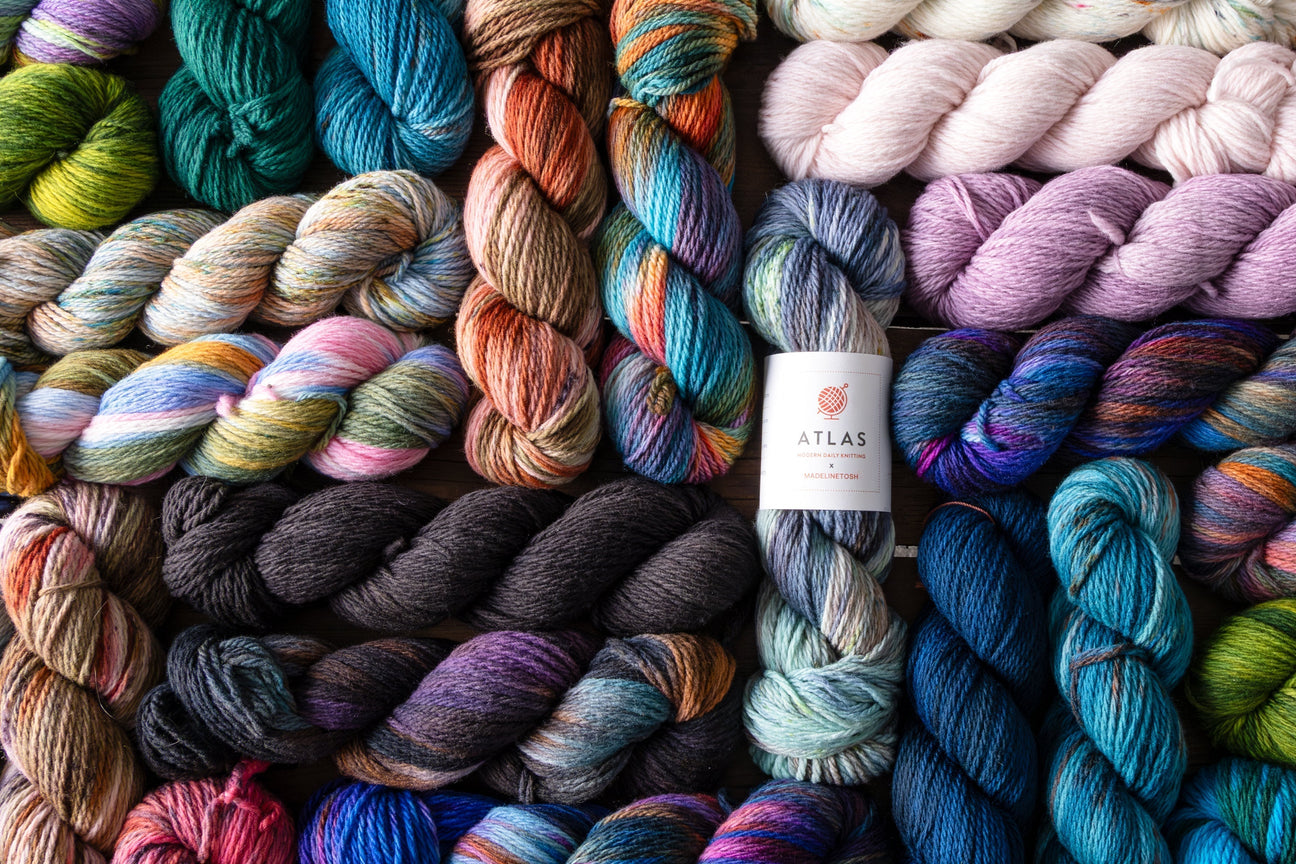
- Modern Daily Knitting Atlas – structured, satisfying, and fast
- Berroco Vintage or Ultra Wool – dependable and forgiving
- Scheepjes Chunky Monkey – quick, cheerful, and accessible
- Yarn Citizen Harmony – smooth and easy to work with
- JBW Beanstalk Worsted – approachable, budget-friendly, and great margin
Top-down raglans, boxy pullovers, and simple cardigans are excellent teachers. The goal isn’t perfection, it’s understanding how garments come together.
Yarn That Helps You Keep Going
The right yarn doesn’t make you perfect. It:
- Makes mistakes less stressful
- Makes learning visible
- Makes you want to keep knitting
When yarn is matched to the skill you’re learning, something shifts. You stop fighting your materials and start paying attention to what your hands are doing.
That’s when learning actually happens.